Dice Have No Eyes Dog and Hotdog Guide
Two dog kits, opposite tempos: many careful turns—or one chaotic bite.
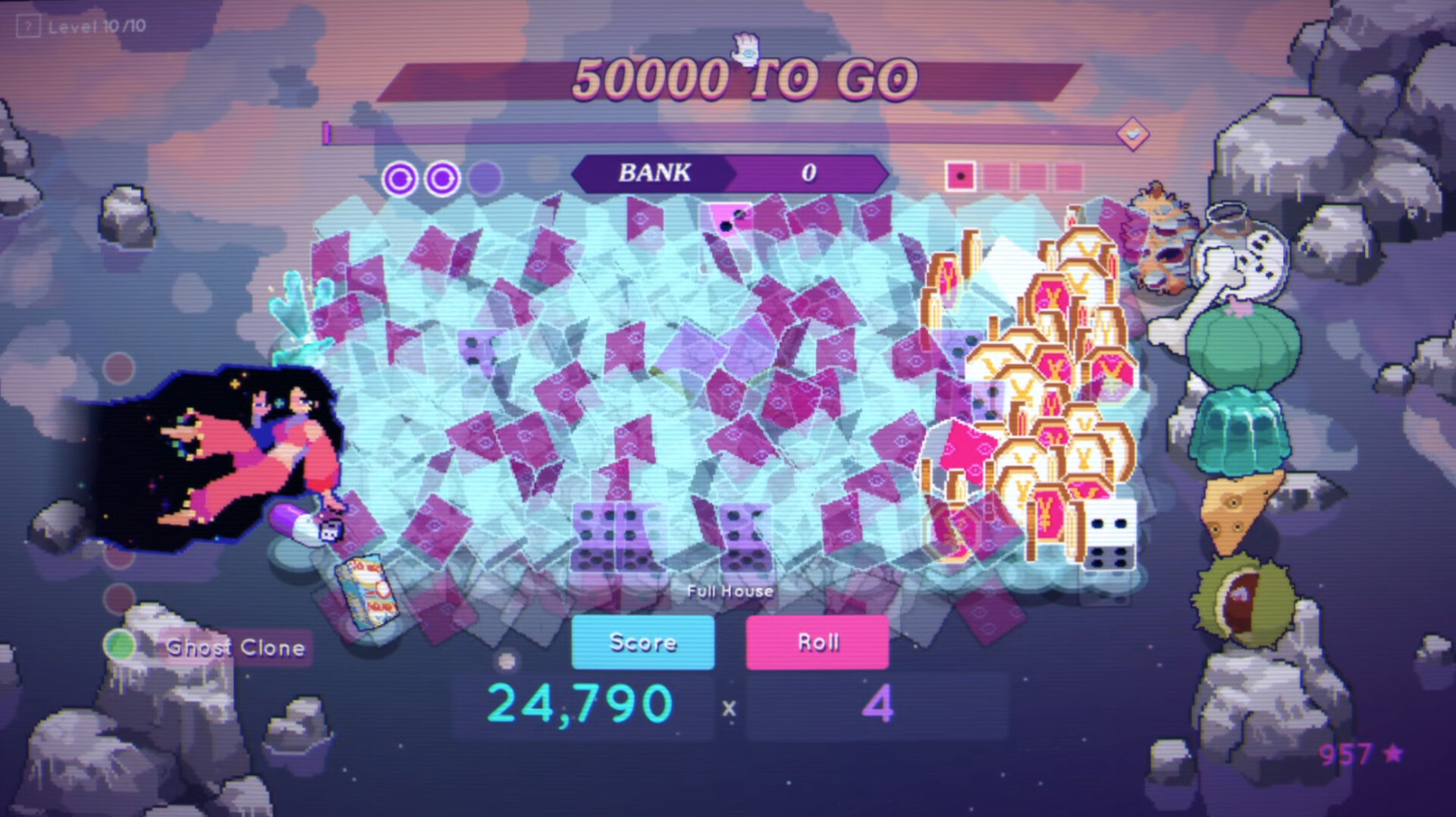
Dog and Hotdog arrived together in the Dogs and Guts update (June 24, 2026) and still define tempo extremes after the November 20, 2026 1.0 launch. Franek and Max Cahill did not ship two reskins; they shipped opposite greed philosophies wearing good-boy energy. This page explains both kits from the official Steam notes, how Gold Stars and parenting/diet items from the same patch feed them, and when to pick each face instead of Wizard or Anais.
Cross-link: Characters Hub, Companions, Dogs and Guts, Character Tier List, Star Guts, Beginner Tips.
Kit fantasies in one paragraph each
Dog is labeled simply: good boy. Mechanically that means a tiny bust limit, many turns, and a power that helps you get away with fewer rolls. You stretch decisions across a long turn budget while living on thin bust margins. Greed is careful, not theatrical.
Hotdog is the deranged cousin: lots of busts but only one turn, plus a special power that lets you eat yourself throughout the game. The entire run collapses into spike sequencing. If you play ten Wizard-style banking cycles on Hotdog, you are fighting the kit.
Together they prove the cast is designed as extremes, not clones—exactly the lesson the Companions page repeats for dog-adjacent pairings.
What Dogs and Guts shipped around them
The same June 24 update that introduced the dog characters also changed the meta layer you will feel while unlocking and drafting:
- Gold Stars — a new currency rewarded for winning runs; click the stars next to your character in setup to spend them. Used to unlock characters, with more uses promised later and still relevant after 1.0 polish.
- Parenting — baby items that change as you play (eight new items across two unlock lines with Diet Culture).
- Diet Culture — snacks that let you puke out negative side effects so cursed boards stay usable.
- Bet balancing — bets made more manageable for Faraway Lands pressure.
- Cycle dice limited use — Cycle dice die after 10 scores, killing easy infinite loops that earlier builds allowed.
Read the patch essay on Dogs and Guts and the currency primer on Star Guts when you are budgeting unlocks.
Why Dog is high floor among extremes
- Many turns forgive a bad early hand if you respect the tiny bust limit.
- The fewer-rolls power rewards efficient scoring instead of gambling for spectacle.
- Parenting and Diet Culture lines from the same era give Dog boards room to evolve without immediate wipe pressure.
- Dog teaches a different banking philosophy than Wizard shields: survive thin margins across more decisions.
- Mid-run saves in 1.0 make long careful Dog sessions realistic on Rift-length boards.
Dog sits in A-tier discussions on the character tier list when players respect the bust cap. It drops when someone plays Dog like a shielded Wizard and keeps slamming unnecessary greed cycles.
Why Hotdog is high ceiling and low floor
- One turn forces a finished plan—perfect for players who already know hand shapes cold.
- Lots of busts sounds forgiving until you realize the turn budget is gone after the spike.
- Self-eat power creates a renewable joke economy that becomes real when snacks and companions support it.
- Leaderboard and challenge runs love Hotdog; first-hour tutorials do not.
- Drafting must enable the spike. Random wide collecting without a self-eat script is how Hotdog becomes C-tier behavior.
Hotdog is A-tier in skilled hands and a trap pick for vibes-only unlocks. The tier list keeps it out of S-tier because the floor is brutal across Depths and skill levels.
Core loops
Dog loop
- Accept the tiny bust limit as the real resource, not the turn count.
- Use the power to skip unnecessary rolls when a scored hand already advances the board.
- Stretch the many-turn budget to rebuild after a scare instead of all-in greed.
- Draft Parenting / Diet Culture support so negative sides do not rot the thin margin.
- Bank when the goal is met—Dog’s extra turns are for recovery, not for inventing a sixth greed cycle.
Hotdog loop
- Build toward one decisive sequence, not a marathon.
- Stack bust capacity and self-eat tools so the single turn can breathe.
- Spend snacks and spells that enable the eat loop before the turn starts, not after panic.
- Bank without nostalgia the moment the spike paid for the board.
- Treat companions as insurance, not as a second main character fighting the one-turn constraint.
Depth fit
Shallows
Dog can teach careful play after Wizard basics. Hotdog on Shallows is a challenge run, not an onboarding plan—see Beginner Tips.
Faraway Lands
Bet balancing from Dogs and Guts helps both kits, but Dog’s multi-turn caution maps better to learning bets. Hotdog wants a written spike plan before you raise stakes.
Rift / God run
Long sessions favor Dog’s stretchy turn budget and 1.0 mid-run saves. Hotdog remains a specialist spike for specific board breaks, not a default finale face.
Synergy priorities
Dog likes
- Companions that save rolls or soften bust math
- Diet Culture purge snacks
- Parenting items that evolve without demanding instant conversion
- Hardy-style sustain on long Depths
- Modest bets while the tiny bust limit is still scary
Hotdog likes
- Self-eat enabling snacks and spells
- High bust capacity drafts
- Companions that insure a single sequence
- Clear shop targets before the one turn begins
- Avoiding Wizard-tempo “one more cycle” habits
Usually skip on both
- Hybridizing Dog’s many turns with Hotdog’s one-turn items casually
- Ignoring Cycle die limited-use rules after the patch
- Spending Gold Stars on dog kits before you can bank on Wizard
Common mistakes
- Picking Hotdog for the meme and playing a ten-turn Wizard tempo.
- Playing Dog like a tank and ignoring the tiny bust limit.
- Unlocking with Gold Stars before Shallows banking is boring.
- Forgetting Diet Culture purges until negative sides make the thin Dog margin worthless.
- Chasing infinite Cycle loops that the update deliberately killed after 10 scores.
- Comparing only art instead of turn budgets.
Practice plan
- Warm up with Wizard banking on Shallows.
- One Dog run focused on fewer rolls and respecting the bust cap.
- One Hotdog run with a written one-turn script and no nostalgia banking delays.
- Spend Gold Stars only after both feels are clear—see Star Guts.
- Recheck rankings on the character tier list after a week of reps.
How the dog kits sit in the wider cast
- Versus Wizard: Wizard teaches shield budgeting; Dog teaches thin-margin multi-turn play; Hotdog teaches spike discipline.
- Versus Anais: Anais prints cash from children; dog kits print tempo extremes.
- Versus Tooth Fairy / King Fetus: late unlock fantasies—earn dog reps before measuring yourself by crowns and fairies.
Dog is the good boy who makes you careful. Hotdog is the snack that makes you honest about whether you actually had a plan. Pick the tempo on purpose.
Frequently Asked Questions
Quick answers to the most common questions.
What is the difference between Dog and Hotdog?
Dog has a tiny bust limit with many turns and a power that helps you get away with fewer rolls. Hotdog has lots of busts but only one turn, plus a self-eat power used throughout the run.
When were Dog and Hotdog added?
Both arrived in the Dogs and Guts update on June 24, 2026, alongside Gold Stars, Parenting items, Diet Culture snacks, bet balancing, and Cycle die limited use.
Should beginners unlock Hotdog first?
Usually no. Learn banking on Wizard, then try Dog’s careful multi-turn feel. Hotdog’s one-turn spike has a brutal floor for new players.
What are Gold Stars for?
Gold Stars are rewarded for winning runs and are spent from the stars next to your character in setup. Dogs and Guts introduced them primarily to unlock characters, with more uses added over time.
Did Cycle dice change in Dogs and Guts?
Yes. Cycle dice became limited-use and die after 10 scores, closing easy infinite Cycle loops from earlier builds.